After growing up outside Philadelphia with little knowledge of her birth family or Paraguayan heritage, Donielle spent 10 years searching for answers. What she discovered brought her family history into focus and helped her better understand the complex history of international adoption in Paraguay.
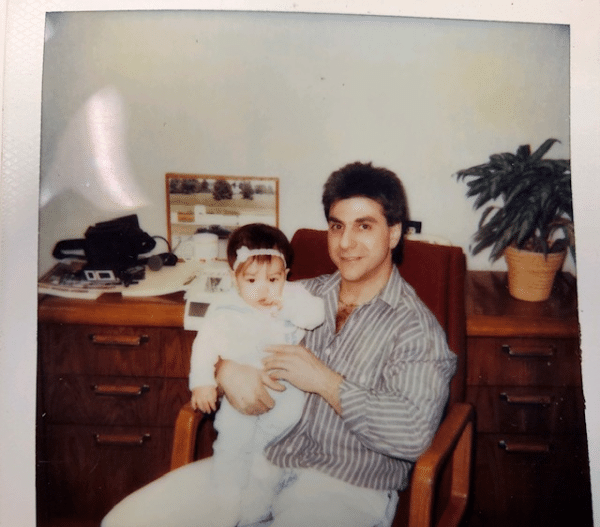
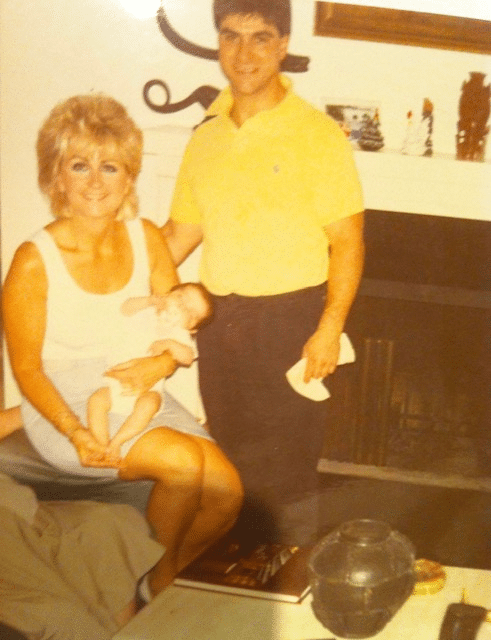
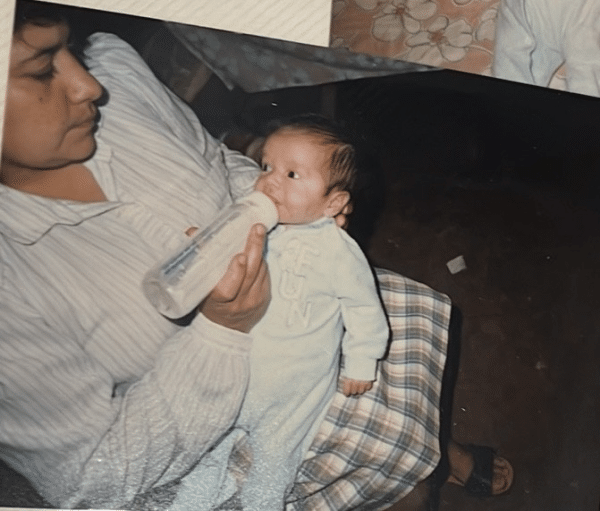 For much of her life, Donielle Carman knew she was adopted from Paraguay. Born on June 6, 1988, she was adopted at approximately two months old and raised by her Italian-American family just outside Philadelphia. She describes her childhood as happy, surrounded by loving parents who provided a stable home. Yet, even with that love and support, she often felt that something was missing.
Growing up in a predominantly white community, Donielle rarely encountered other children who shared her experiences as an adoptee or her cultural background. She knew she was from Paraguay, but she wasn’t raised speaking Spanish or learning about Paraguayan traditions. As she got older, she began to question where she belonged.
“When you’re a kid, you don’t really understand,” Donielle explained. “But once I got to high school,” learning about South American cultures in Spanish class sparked her interest in the country where she was born.
Her curiosity grew in her late teens and early twenties as the internet and social media made it easier to learn about Paraguay. But it wasn’t until she became a mother herself at age 22 that her desire to understand her history became more urgent.
During medical appointments, she was asked about her family’s health history. She had no answers.
“I have no idea. I have no family history,” she recalled. Those questions helped motivate her to begin searching for her biological relatives.
Ten Years of Searching for Answers
 Around 10 years ago, Donielle began taking DNA tests and researching her ancestry. But finding relatives in another country proved challenging. Most of her DNA matches were distant cousins, leaving her with few clues about where to turn next.
Eventually, she joined an online group for Paraguayan adoptees. There, she connected with others navigating similar questions about their origins and discovered resources that helped her move forward.
Through the community, she found genealogist Alan Aponte, who specializes in Paraguayan genealogy and helping adoptees locate their biological families. With his guidance, Donielle gathered her adoption paperwork and uploaded her DNA to additional genealogy websites used by people in South America.
Her first meaningful connection came through a distant relative named Paulina Fernandez. Donielle’s birth name was Maria Fernandez, and this new connection gave the genealogist a starting point to trace her family tree.
For the first time, the search began to lead somewhere.
“I was just so excited,” Donielle said of finding someone related to her. “I kept asking her questions.”
Using DNA information, family records, and connections within the Paraguayan adoptee community, the genealogist was able to identify more relatives. He eventually discovered that Donielle’s birth mother had passed away and helped locate members of her extended family through social media.
Then came another life-changing discovery: Donielle had nine biological siblings, and she was the only one who had been adopted.
Finding Her Family, and Learning About Her Mother
 Discovering her biological family brought a mixture of excitement, grief, and relief. Donielle had missed the opportunity to meet her birth mother, but connecting with her siblings helped her learn more about the woman who had given birth to her.
Her birth mother had already been raising four children when Donielle was born. According to what Donielle learned from her relatives, her mother struggled financially and could not care for her. She had wanted to know what happened to Donielle, and she had told her older daughter that, if anything happened to her, she should try to find her sister and make sure she was okay.
That knowledge gave Donielle something she had spent years wondering about: reassurance that her birth mother had wanted her, even though she had been unable to raise her.
“I was too late to meet my mother,” Donielle said, “but I found out through the siblings that she did know, she did want me, but she couldn’t keep me.”
For Donielle, learning this helped provide the closure she needed. The search had not answered every question, but it offered a deeper understanding of her beginnings and the circumstances surrounding her adoption.
Her reunion with her biological family has also brought new relationships into her life. Her relatives have connected with her through Facebook, and she is continuing to get to know her siblings and extended family. One cousin, Fatima, lives in New York and speaks English, making communication easier.
Language remains one of the biggest challenges. Donielle speaks English, while many of her relatives speak Spanish and Guaraní, an Indigenous language widely spoken in Paraguay. Online translation tools can help, but conversations don’t always translate as clearly as she would like.
Still, she is determined to keep building those relationships.
Reconnecting With Her Paraguayan Heritage
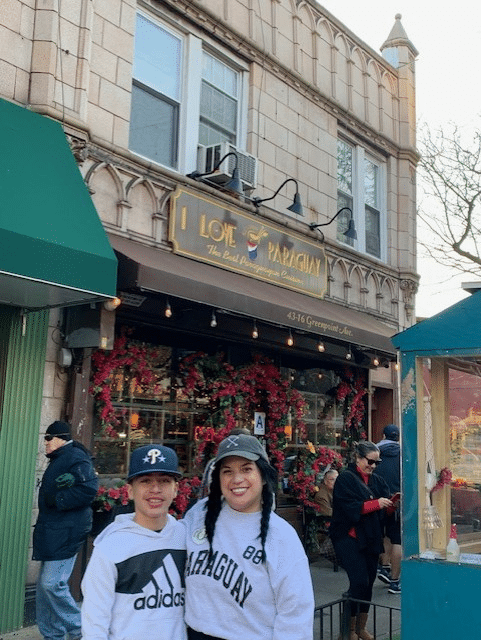 Finding her birth family has opened a new chapter in Donielle’s relationship with Paraguay. Although she has been learning about the country for years, she is now discovering its culture through a deeply personal connection.
She has sought out Paraguayan food and restaurants, including a visit to a restaurant called I Love Paraguay in the Bronx, and hopes to explore more of the culture with her family. She also wants to visit Paraguay and make returning a regular part of her life, despite the expense and distance.
“It’s kind of hard because I’m not there,” she explained. Reading, watching videos, and learning online have helped her understand more about her heritage, but she believes visiting the country will offer a different kind of connection.
Her experience has also shaped how she thinks about her own children and their cultural identity. Her older son, who has grown up knowing about her adoption, is enthusiastic about Paraguay and eager to meet his relatives. They have watched documentaries about the country together, and he has developed a strong interest in Paraguayan culture and soccer.
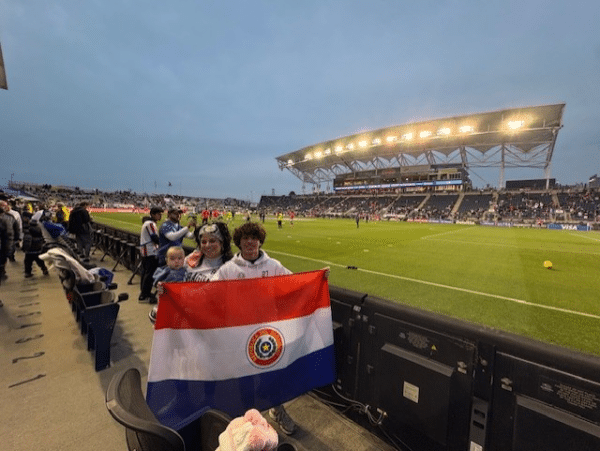 For Donielle, sharing this part of herself with her children has helped her feel closer to a culture she did not grow up knowing.
Looking back, she wishes she had experienced more of her heritage as a child. She loves her adoptive parents and describes her upbringing positively, but she also recognizes how difficult it was to feel disconnected from both her birth culture and the community where she grew up.
In a predominantly white neighborhood, she often felt different from her classmates. Yet, when she encountered Latino communities, she sometimes felt out of place there, too, because she did not speak the language or know the cultural traditions.
“It was hard growing up not knowing where you belong,” she said.
Her experience is one reason she encourages adoptive parents raising children of a different race or cultural background to make cultural connection an active part of family life. She wishes she had been introduced to Paraguayan food, language, traditions, and opportunities to visit the country when she was younger.
She hopes other families will recognize that providing a loving home and helping a child maintain a connection to their heritage can both be important parts of an adoptee’s experience.
Every Adoptee Deserves to Know Their Story
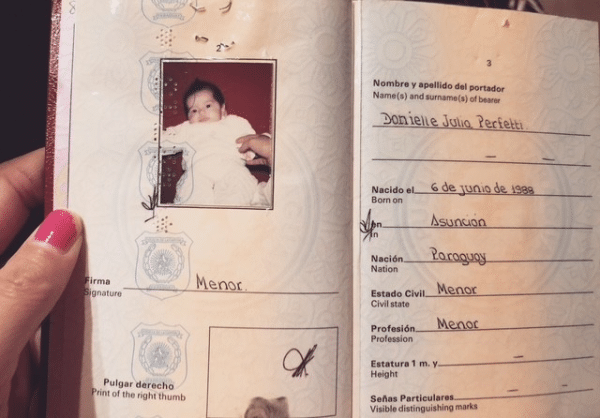 Donielle’s search was about more than discovering names on a family tree. It was about understanding her medical history, learning about her ancestors, and answering questions that had followed her into adulthood.
She believes adoptees should have access to information about their origins and the opportunity to explore their biological connections if they choose to do so. She also recognizes that every adoptee feels differently about searching. Her brother, who was also adopted from Paraguay, does not want to pursue information about his birth family, while Donielle has always wanted to know more.
Neither experience should be dismissed or judged.
“I think adoptees need to know about their history,” she said, emphasizing that adoptees should be able to decide what they want to learn about their own lives.
She encourages other adoptees who are considering a search to explore the resources available to them, whether through DNA testing, adoptee communities, genealogists, or other professionals who specialize in family reunification. She also acknowledges that not everyone has the financial resources or support to pursue a search, and that finding family members is not always possible.
For those who do choose to search, she hopes her story offers encouragement.
“It’s possible, too, that you can find your family and you should definitely look for them,” she said.
For Donielle, finding her family has brought clarity and a sense of connection that she did not have before. She knows her journey is not over, and she continues to explore her family history, including unanswered questions about her biological father.
Her experience has shown her that understanding one’s origins can be a lifelong process, with each new discovery bringing another opportunity to learn.
Understanding the History of International Adoption in Paraguay
As Donielle searched for her family, she also began learning about international adoption in Paraguay during the late 1980s and early 1990s, the period surrounding her birth.
Her research introduced her to troubling accounts of adoption practices during that era, including allegations of coercion, falsified documents, and children being separated from birth families without informed consent. Donielle learned about reports of pregnant women being pressured to sign paperwork they did not understand and allegations that some babies had been taken from their families.
These accounts led her to question the circumstances of her own adoption.
“When you look through the history,” she explained, “you’re like, ‘Oh, what if they stole me?’”
Through her personal search, Donielle learned that her birth mother had struggled financially and had been unable to raise her. Her relatives also shared that her mother had wanted her family to find Donielle. These discoveries helped answer questions about her own story, but her experience cannot establish what happened in every adoption from Paraguay during that period.
The broader historical concerns highlight why transparency, accurate records, informed consent, and access to family history matter. When records are incomplete or difficult to access, adoptees may struggle to understand their identities and the circumstances of their adoptions. Birth families can also face significant barriers to finding children adopted across international borders.
Donielle’s relatives knew about her but had not known how to find her. It was her decision to search, along with DNA testing, genealogical expertise, and the support of an online adoptee community, that ultimately helped reunite them.
Learning about Paraguay’s adoption history has not changed Donielle’s love for her adoptive family or erased the positive experiences of her childhood. Instead, it has added another layer to her understanding of her life.
Today, she continues to build relationships with her biological family and hopes to visit Paraguay to experience the country firsthand. Her journey is a reminder that adoption stories do not end when a child joins a family. Questions about identity, heritage, and biological connections can continue throughout an adoptee’s life.
Donielle’s message is simple: finding your roots can be a journey toward understanding, connection, and healing.