What do you wish expectant parents, adoptive parents, or other social workers knew about the adoptee perspective that is often overlooked?
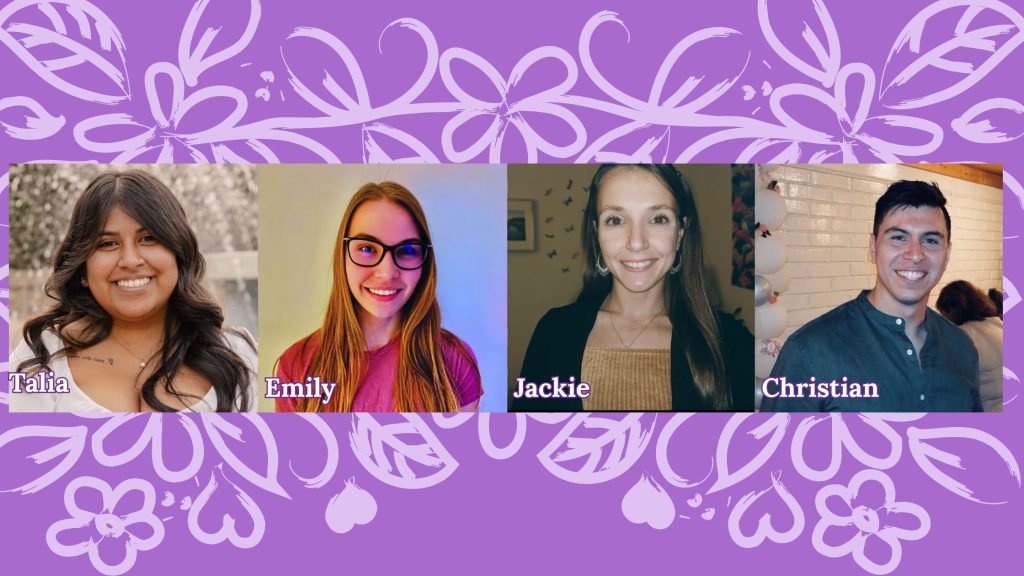
“What I wish more expectant parents, adoptive parents, and even other social workers understood is that adoptees can be really loved and well supported and still have complicated feelings about being adopted. Gratitude and grief can exist at the same time. Loving your adoptive family doesn’t cancel out curiosity about where you came from, and having a good life doesn’t mean there wasn’t any loss. Another thing that often gets missed is that adoption doesn’t stop in childhood. The way an adoptee understands their story can shift at different stages of life, when they’re young, as teens, and later as adults or parents themselves, and their support needs shift too. What works for a five-year-old might not work for a teenager or an adult, and that doesn’t mean anything went wrong. I also wish more people understood how important honesty and access to information really are. Even sharing small truths early and often can go a long way in building trust and helping adoptees make sense of who they are. Keeping things secret or trying to “protect” a child from hard information usually causes more harm than good.” Jackie
“I wish more people understood that adoptees can feel deep gratitude and deep loss at the same time. Adoption isn’t a single story, it’s layered and evolving. Identity, culture, medical history, and connection matter more than many adults initially realize.” – Emily
“I wish expectant parents, adoptive parents, and social workers understood that struggles will happen regardless of the age at which someone is adopted. Adoption doesn’t erase loss, and timing doesn’t determine whether an adoptee will experience confusion, grief, or questions about identity and belonging. These struggles aren’t a sign of failure or lack of gratitude; they’re a natural response to a complex beginning, and they deserve patience, honesty, and ongoing support. Be open to listening to what they are feeling and talking to them about ways to help.” – Talia
“I wish more people knew about some of the guilt/shame cycle that may go on in some adoptee’s minds. I also wish more people had a better understanding of trauma and what that looks like down the road. Although many of our placements are newborns, there is still a trauma that can be created. As I grew older and faced identity issues in high school and college, I saw much of it had done with adoption. At this time, I couldn’t find any resources that dealt with what I was going through.” – Christian
—
What advice would you give other agencies or social workers who want to center the adoptee voice in their work with adoptive and birth families?
“My advice is to always center adoptee voices in work and decisions. Every adoption story is unique, and no one can speak for the adoptee except the adoptee themselves. Take the time to listen to their experiences, validate their feelings, and include their perspectives in conversations and planning. For adoptive and birth families, being open to hearing the adoptee’s truth, even when it’s difficult, is one of the most powerful ways to build trust and understanding. Creating space for honest dialogue and truly valuing the adoptee’s perspective can transform how agencies, social workers, and families support everyone involved in adoption.” – Talia
“No single adoptee story represents everyone. Centering the adoptee voice means creating space for a wide range of experiences, including the hard, uncomfortable, and contradictory ones. Not just the positive or “successful” narratives.” – Jackie
“Hire adoptees in meaningful roles, such as social workers or counselors. Invite adult adoptees into training spaces. Be willing to sit with discomfort when feedback challenges long-held practices. When adoptees are treated as partners in the agency, the entire adoption process becomes more ethical and more human.” – Emily
“I would tell them to go out, and research adoptee led articles, videos, interviews etc. I would also tell them to do the same with birth families. The information and data on the benefits of open adoption is out there; it just takes some searching. The more people arm themselves with knowledge, the more capable they should feel about moving forward in the adoption space. Invite adoptees and birth families to conversations and listen.” – Christian
To read all of our blog posts from our social worker adoptee perspectives, visit “Through Both Lenses: Adoptee Social Worker Perspectives.”